Problem of frequent shutdowns in electric pressure washers

Whether cleaning driveways, yards, or preparing for home projects, the electric pressure washer has long been an indispensable cleaning tool in many households. However, many users have reported instances of the machine stopping during use, interrupting cleaning work and impacting efficiency and user experience. This article will explore the common causes of frequent electric pressure washer shutdowns and provide effective troubleshooting steps to help users quickly restore their devices to normal operating status.
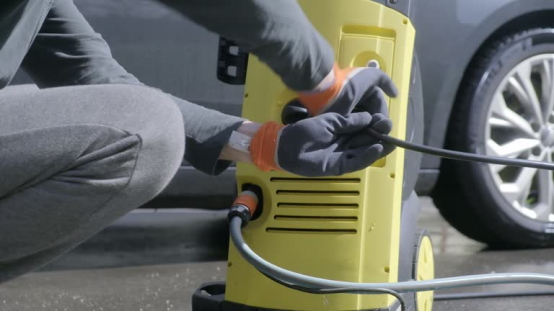
Common causes: The unsung heroes behind electric pressure washer shutdowns
Understanding the cause of equipment shutdown is the first step in troubleshooting. Pressure washer stopping problems are often related to internal equipment issues or improper operation. Here are some common reasons why a pressure washer might suddenly stop during use:
1. Power supply problem
Often, the most direct cause of downtime for electric pressure washers is a power problem. This could be a faulty power outlet, a loose plug, or a damaged power cord. A stable power supply is crucial for power tools; intermittent power outages can easily prevent the equipment from operating properly.
Solution: First, check if the power outlet is working properly. You can confirm this by plugging other appliances into the same outlet. If the outlet is fine, check the power cord and plug to ensure they are not damaged or loose. If you find any problems with the cord, it is recommended to replace it immediately.
2. Motor overheating
Prolonged use or overloading may cause the motor of an electric pressure washer to overheat, triggering the overheat protection mechanism and causing the machine to automatically shut down. This is a common protection mechanism designed to prevent motor damage.
Solution: To prevent the motor from overheating, it is recommended to give the equipment a break periodically, especially after prolonged use. Many electric pressure washers are designed with automatic overheat protection, allowing the motor to cool down before restarting. If you find that the equipment overheats frequently, you may need to check if the air circulation of the cleaner is adequate.
3. Water flow problem
Electric pressure washers require a certain water flow to function properly. If the water flow is insufficient or the water pressure is too low, the machine may stop working because it cannot get enough water. For example, the water inlet pipe may be blocked, or there may be impurities in the water pump, causing poor water flow.
Solution: Check if the water source is clear and ensure the inlet pipe is not bent or blocked. Clean the inlet pipe and ensure the water pump is not clogged with sediment or other impurities. Additionally, ensure the water pressure at the tap is sufficient to support the normal operation of the equipment.
4. High-pressure pipeline blockage or damage.
A pressure washer stopping is due to a blockage or damage to the high-pressure pipes. Over time, dirt or impurities may accumulate inside the pipes, preventing water from flowing smoothly and thus affecting the normal operation of the equipment.
Solution: Regularly inspect high-pressure pipes to ensure they are free from damage or bends. If the pipes are clogged, try flushing them with water or using specialized pipe cleaning tools to unclog them. If a pipe is found to be cracked or damaged, replace it with a new one immediately.
5. Internal component failure
Malfunctions in internal components of an electric pressure washer (such as the water pump, switches, and filters) can also cause the machine to stop. These problems usually require professional repair or replacement of the damaged parts.
Solution: Regularly maintain and inspect the equipment to ensure all components are in normal working order. If the equipment malfunctions, it is recommended to contact a professional repair technician for diagnosis and repair.
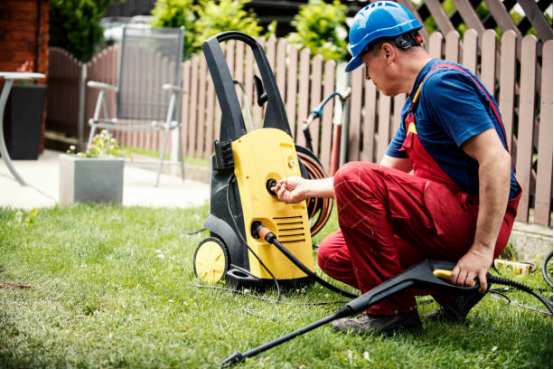
Troubleshooting steps: How to restore the normal operation of an electric high-pressure washer
If your electric pressure washer stops working, don’t panic. The following troubleshooting steps can help you quickly locate the problem and restore the equipment to normal operation.
Step 1: Check the power supply and plug
- Ensure the power outlet is working properly and that the device plug is securely inserted into the outlet.
- Check the power cord for damaged or exposed wires, and replace the power cord if necessary.
Step 2: Check the water source and pipes
- Check the water inlet pipe for blockages or bends.
- Ensure that the water pressure from the tap is sufficient to supply the electric high-pressure washer.
- Ensure that the high-pressure pipeline is not cracked or blocked.
Step 3: Cool the motor
- If the motor overheats, the machine is shut down to protect it. Allow the equipment to cool down briefly before attempting to restart it.
- Ensure the motor’s ventilation openings are unobstructed to prevent dust or debris from clogging them.
Step 4: Clean the filter
- Clean the water filter regularly to prevent impurities from entering the equipment.
- Check the filter for damage or aging, and replace it promptly if necessary.
Step 5: Inspect internal components
- Open the equipment casing and inspect the water pump, switches, and other parts for any visibly damaged components.
- If any faulty parts are found, contact a professional immediately for repair or replacement.
How to avoid downtime issues with electric high-pressure washers
Prevention is always better than cure. To avoid frequent shutdowns of your electric pressure washer, the following suggestions can help reduce the likelihood of malfunctions:
- Regular maintenance: Regularly inspect the power supply, cables, pipes, and filters of the electric high-pressure washer to ensure that all parts are in good working order.
- Keep clean: Clean the equipment promptly after use to avoid the accumulation of dirt and impurities.
- Proper use: Avoid prolonged continuous use of the equipment, and allow the motor and other components sufficient rest time.
- Purchase high-quality products: High-quality electric pressure washers are generally more durable and have a relatively lower failure rate.
Ensure the electric high-pressure washer always operates at high efficiency.
when your machine stops working. With simple troubleshooting and maintenance steps, you can usually easily resolve the issue and restore the equipment to normal operation. Regular inspections and maintenance can effectively prevent these problems from occurring, keeping your pressure washer running efficiently and providing lasting support for your cleaning tasks.
Learn more about the usage and maintenance of electric pressure washers, and get more practical resources and advice.