Best Electric Pressure Washers: What the PSI Number on the Box Isn’t Telling You
Most buyers get burned chasing the biggest PSI claim on the label. That’s not how cleaning power actually works. This guide explains the metric that matters — and which machine fits your actual jobs.
 M
M
Why Cleaning Units Matter More Than PSI
PSI measures pressure at the nozzle tip. GPM measures how much water flows per minute. Neither number alone tells you how fast a machine actually removes dirt from a surface. That number is Cleaning Units — and it’s the only spec worth comparing when you’re choosing a machine.
A 2,000 PSI machine at 2.3 GPM = 4,600 CU
More cleaning power — despite the smaller headline number.
The second trap is “Max PSI” labeling. That figure is measured under ideal lab conditions: shortest hose, narrowest nozzle, controlled water supply. In real use with a standard 25-foot hose off your outdoor tap, rated PSI typically runs 10–20% lower. Every Spraysmith recommendation is based on realistic rated conditions, not peak marketing specs.
For most home jobs — driveways, vehicles, siding, decks — you need 3,500 to 5,500 CU. Above that threshold on anything softer than bare concrete, you’re adding surface damage risk, not cleaning benefit. Read more: how motor type affects real-world pressure output.
Corded vs Cordless: How to Pick the Right Type
Two questions decide this: how long do you typically clean in one session, and how far are you from a power outlet?
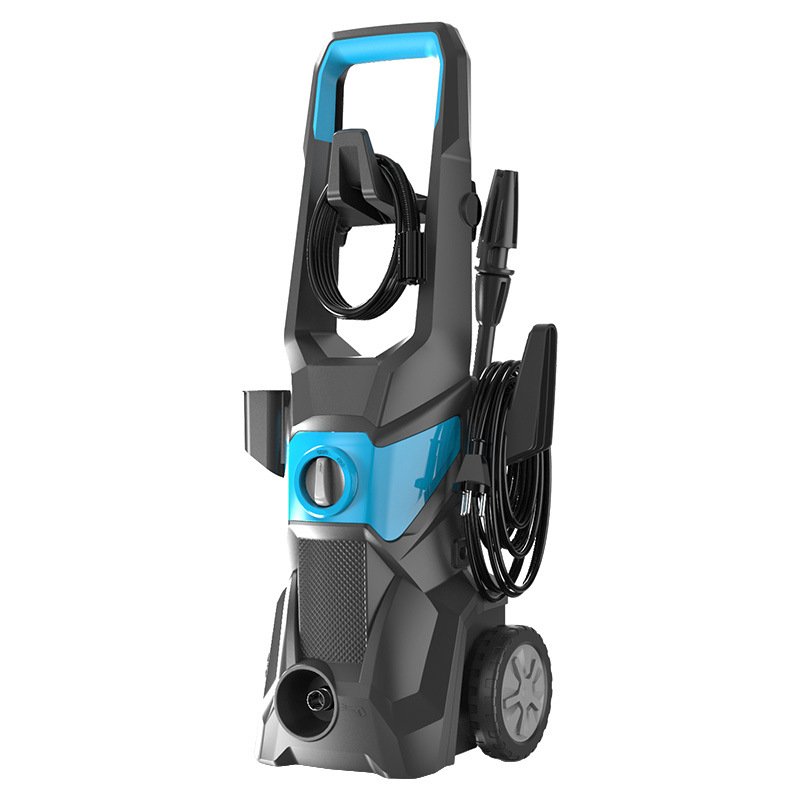
Corded 1200W models plug into any standard 15A household circuit and run indefinitely — no battery management, no mid-job charging, consistent pressure from minute one to minute sixty. They’re the right call for full driveway washes, exterior house cleaning, or any session over 30 minutes.
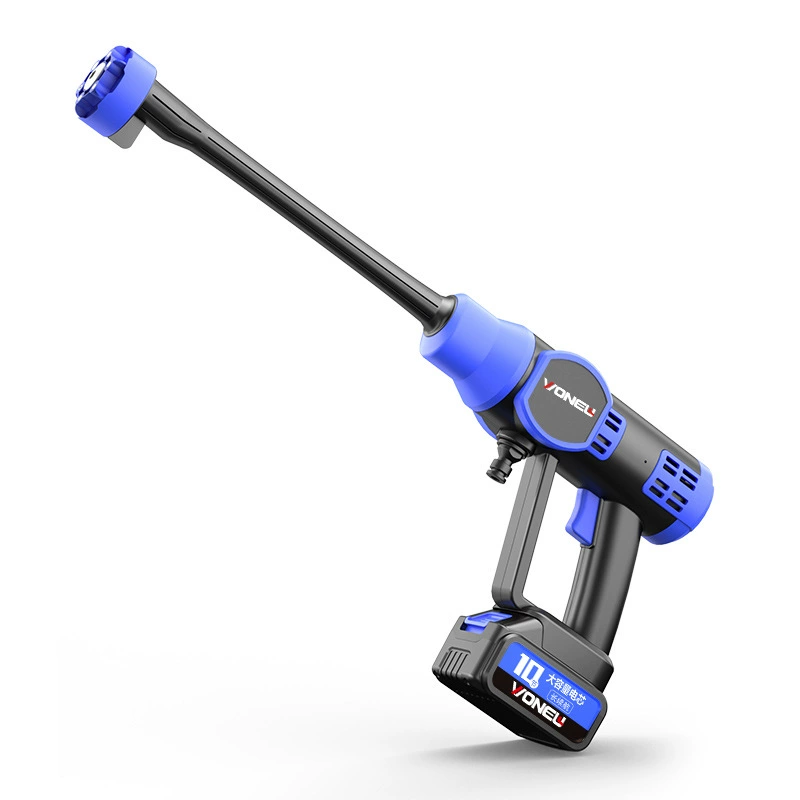
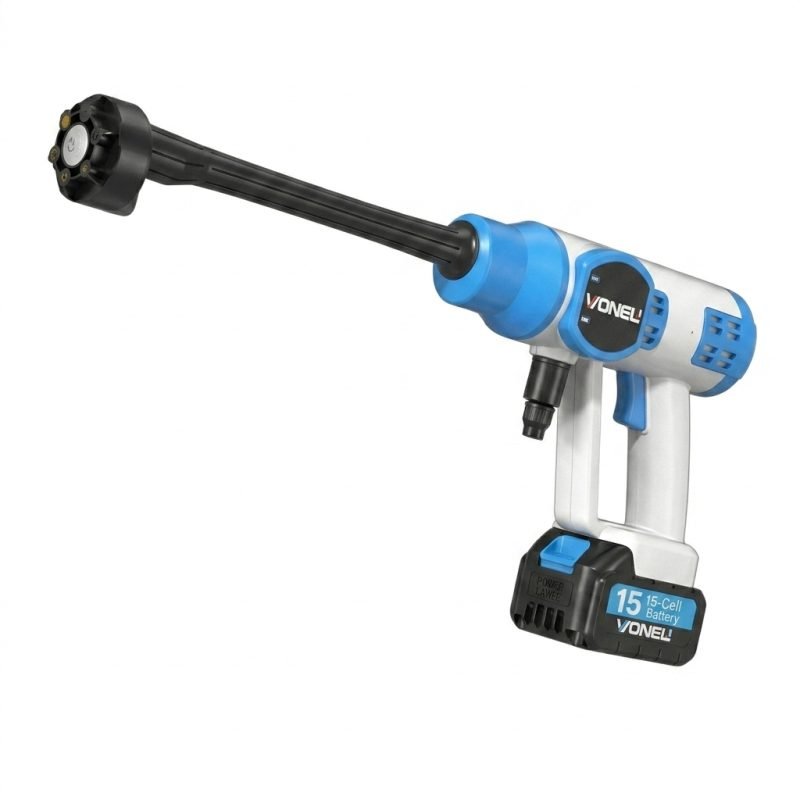
Cordless 21V brushless models give you freedom of movement that corded machines can’t match. Clean a vehicle in a parking lot, rinse equipment in a barn, work anywhere you need water without a nearby outlet. Runtime runs 15–35 minutes per charge depending on motor wattage and whether you’re running continuous spray or trigger-stop bursts.
Pressure Settings by Surface — What Damages and What Doesn’t
Using the right pressure for each surface is the most important factor in avoiding damage. Here’s the breakdown:
| Surface | PSI range | Nozzle | Key rule |
|---|---|---|---|
| Vehicles (car, truck) | 1,200–1,900 | 40° white | 12+ inches from surface, never hold stationary |
| Wood deck / fence | 1,500–2,000 | 25° green | Back off if grain raises or fibers lift |
| Concrete driveway | 2,500–3,500 | 15° yellow / turbo | Most forgiving; effective on oil stains and tire marks |
| Vinyl / aluminum siding | 1,500–2,500 | 25° green | Always top-to-bottom to avoid driving water under seams |
| Patio furniture / gear | 1,200–1,800 | 40° white | Low pressure avoids cracking plastic joints |
⚠ Never use the 0° red nozzle for surface cleaning. It clears clogged orifices — at full flow it will groove concrete, strip paint, and cut through vinyl siding.
Read the complete safe use guide for full nozzle distance and angle guidelines.
Spraysmith Pressure Washers
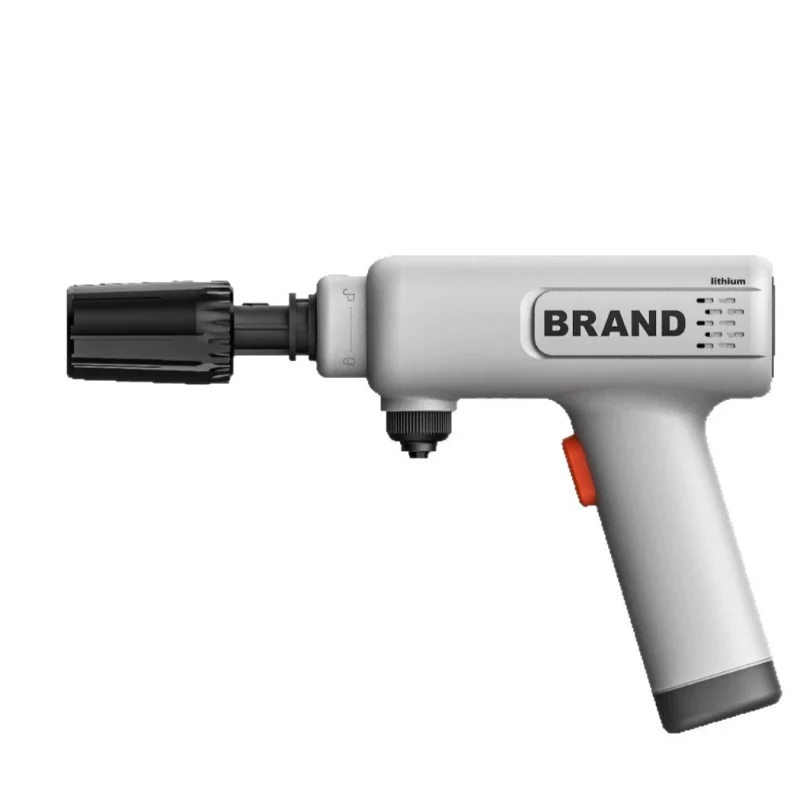
Every model ships with the nozzle kit and connections needed to start immediately.
 M
M
I spent 12 years as a residential maintenance consultant before starting Spraysmith. In 2022, I was helping my neighbor Dave pick a pressure washer for his deck and spent three evenings finding that most top-ranking articles recommended whichever model paid the highest affiliate commission. I ended up testing one of those highly-ranked machines on Dave’s deck using the wrong nozzle and left permanent grain damage in about 40 seconds. That specific mistake — the one you’d make if you read the typical buying guide — is exactly what this site is built to prevent. Every recommendation here starts with Cleaning Units and real-world PSI, not marketing specs.
Marcus Whitfield · Founder, Spraysmith · 12 years residential maintenance · Nashville, TN
Frequently Asked Questions
Keep Reading
- Don’t be fooled by PSI: Induction vs. Universal motors explainedMotors · 8 min
- Electric pressure washers save up to 70% more water than garden hosesEco · 6 min
- Never pour bleach directly into a pressure washer — here’s whySafety · 5 min
- How to pressure wash a deck without damaging the woodSurfaces · 7 min
- Can car washing with a pressure washer really save time and effort?Cars · 6 min
- Electric vs gas pressure washer: which is actually better for homes?Buying guide · 9 min