Electric Pressure Washer Home Hose Replacement and Selection Guide

Anyone who’s used an electric pressure washer knows that while the main unit itself is generally durable, the hose is often the first to break down. Dragged, bent, or even left out in the sun, it can eventually crack or leak. At that point, replacing the hose is almost inevitable.
The question is: with so many replacement parts on the market, how do you choose? Especially for a home electric pressure washer, there’s no need to bring home complex industrial options. This concise hose selection guide can help you quickly find the right replacement.
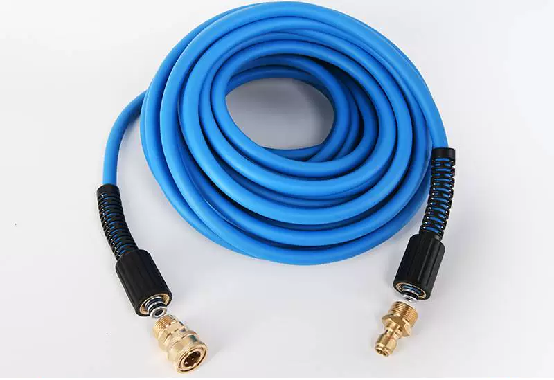
Why does the electric pressure washer need to have its hose replaced regularly?
Even high-quality washer hoses are subject to wear and tear after prolonged use. Continuous high-pressure water flow is a stress test in itself, and combined with daily drag, friction, and sun exposure, the hose lifespan is usually limited.
Simply put: the main unit will last for many years, but the hose is a consumable part. Rather than waiting until it breaks down and then scrambling, it’s better to understand the replacement options in advance.
Common hose diameters – which one is right for your electric pressure washer?
Most home models only need to focus on the following:
1/4-inch
is the most common and the default choice for most home electric pressure washers. It is lightweight, affordable, and suitable for general yard, driveway, or vehicle washing.
3/8-inch
is often used in professional equipment with higher flow and pressure. It is not used by ordinary users on a daily basis unless you have a machine close to commercial grade.
5/16″
is a “sandwich” size that’s rarely used and has limited options on the market. If your older model happens to have this diameter, you can replace it as is.
The easiest way to tell is to simply check the diameter of your existing hose or consult the manual.
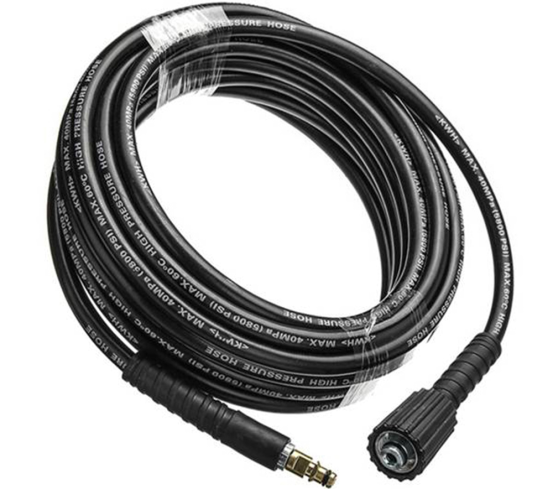
How to choose hose material?
The material affects flexibility, weight and price. There are three common types:
plastic (PVC) hose
, typically included with electric pressure washers. It’s lightweight and inexpensive, but can become stiff in winter and easily break down with long-term use.
Rubber hoses
are more durable and flexible. They are less likely to tangle when dragging and have better bending resistance. However, they are slightly heavier than plastic hoses.
Polyurethane hoses
are the most expensive, but they combine lightness with high durability. For home users who frequently use electric washers, they are the most cost-effective long-term choice.
Don’t ignore the connection method
Different brands of electric pressure washers may have slightly different interface methods. However, there are two common types:
M22 threaded connection : standard on most electric models, easy to use.
Quick Connect : Easy to disassemble and assemble, many users choose this when upgrading.
If it really doesn’t match, don’t worry. There are various adapters on the market that can solve most compatibility issues.
Common Misconceptions (Don’t Fall into Them)
Myth 1: The thicker the hose, the better
Actually, this is not the case. A thicker hose means a greater flow rate, but if your electric pressure washer’s pump pressure is limited, it will increase resistance. It is better to choose the right diameter.
Myth 2: Buy the most expensive product for durability
The material does affect the lifespan, but for users who only wash their car or yard occasionally, cost-effectiveness is more important. Plastic hoses can also meet the needs, but you have to accept more frequent replacement.
Choose a suitable hose to make the electric pressure washer more convenient
A household electric pressure washer doesn’t require complicated accessories; the key is a good hose. Remember these three points:
Select according to the original diameter to avoid mismatch
Choose the right material according to the frequency of use
Don’t worry if the interfaces are different, there are adapters to solve it
This way, you can easily replace the hose when necessary, keeping your electric pressure washer in top condition.