How to remove stubborn stains from building exterior walls with an electric pressure washer

electric pressure washerOver time, building exteriors accumulate various stubborn stains, such as soot, paint residue, mold, and grime. These stains not only affect the building’s appearance but can also cause long-term damage to the walls. Traditional cleaning methods often require a significant amount of time and labor, and the cleaning results are often unsatisfactory. Fortunately, the Electric Pressure Washer offers a more efficient, faster, and safer solution, effectively removing various stubborn stains from walls and restoring their cleanliness and shine.
electric pressure washerThis article will detail how to use an Electric Pressure Washer to clean building exteriors, particularly how to adjust water pressure, select the appropriate nozzle, and take other precautions to ensure optimal cleaning results without damaging the wall surface.
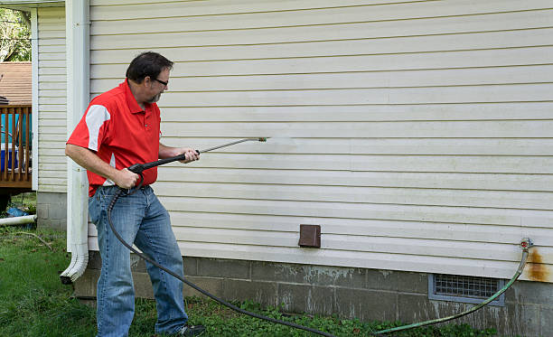
Types and cleaning difficulties of exterior wall stains
When cleaning building exteriors, it’s essential to first understand the different types of stains and their difficulty in cleaning. Common exterior wall stains include:
1. Soot and dust
These stains are usually caused by airborne pollutants adhering to the wall surface and accumulating gradually over time. These stains are not easily noticeable, but they can cause the wall to gradually discolor, affecting the building’s appearance.
2. Paint marks
remove whileWhether it’s a construction error or everyday stains, paint marks are often very stubborn. They require special cleaning techniques to remove, while avoiding damage to the original wall surface.
3. Mold and mold spots
In damp environments, mold and mildew can grow on exterior wall surfaces, especially in dark and humid places. Mold not only affects the appearance of the exterior walls but can also damage the structure of the building.
4. Dirt and Pollution
These stains are usually caused by contaminants such as dust, sewage, and grease. These stains often require strong cleaning agents to remove completely.
5. Vines and plant residues
Vines or plant residues growing on exterior walls often leave stubborn stains, especially during humid seasons.
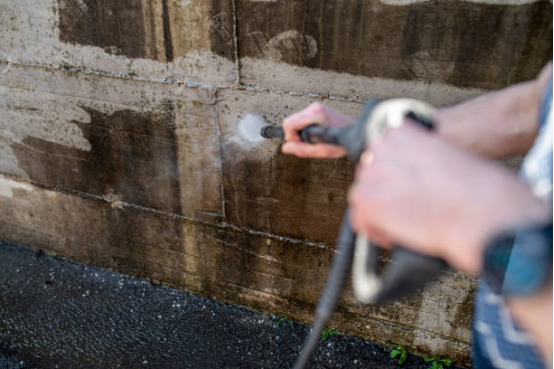
Advantages of Electric Pressure Washer for Cleaning Exterior Walls
:Compared to traditional manual cleaning methods, electric pressure washers offer significant advantages, especially when cleaning building exteriors, providing a more efficient and thorough cleaning. Here are some of the key advantages of electric pressure washers :
1. Highly effective stain removal, saving time
electric pressure washerThe Electric Pressure Washer uses high-pressure water to easily remove various stains from walls, including soot, mold, and paint residue. Compared to manual cleaning, it can clean larger wall areas in a shorter time, greatly improving cleaning efficiency.
2. Without damaging the wall surface
The high water pressure of an electric pressure washer can effectively remove stubborn stains, but if used properly, it will not damage the wall surface. By properly selecting the water pressure and nozzle, you can ensure cleaning results while avoiding unnecessary damage to the wall.
3. Suitable for various surfaces
Whether it’s stone, brick, wood, or painted surfaces, the Electric Pressure Washer adapts and provides appropriate cleaning results. It effectively removes dirt and contaminants from walls without damaging the wall structure.
4. No need to use chemical cleaning agents
electric pressure washerCompared to traditional chemical cleaners, the Electric Pressure Washer uses only water to clean, without requiring any harmful chemicals. Therefore, it is not only more environmentally friendly but also protects building facades from chemical corrosion.
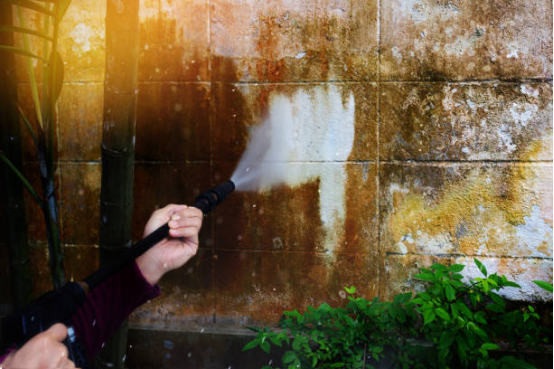
How to clean building exterior walls with an Electric Pressure Washer
While electric pressure washers offer powerful cleaning capabilities and convenience, excessive water pressure can damage walls, especially painted ones, if used improperly. Therefore, proper operation is crucial when using an electric pressure washer. Here are some operating tips:
1. Select appropriate water pressure
electric pressure washerChoosing the right water pressure is one of the most important steps when using an Electric Pressure Washer to clean exterior walls. Generally, for building exteriors, it is recommended to adjust the water pressure between 1200 and 2500 PSI. Excessive water pressure may damage the paint or structure of the wall, while insufficient water pressure may not effectively remove stubborn stains.
For more fragile wall surfaces, such as painted walls, a lower water pressure (1200-1500 PSI) can be selected, while for brick or stone walls, the water pressure can be appropriately increased.
2. Select the appropriate nozzle
The choice of nozzle is equally important. Common nozzles come in different angles: 15 degrees, 25 degrees, and 40 degrees. Each nozzle is suitable for different cleaning tasks.
- :15-degree nozzle : Suitable for cleaning tasks requiring high water pressure, capable of removing stubborn stains, but not suitable for use on fragile wall surfaces.
- :25-degree nozzle : Suitable for general cleaning tasks, providing a moderate water flow suitable for most wall cleaning surfaces.
- 40-degree nozzle: Suitable for gentle cleaning, for sensitive walls or areas requiring light cleaning.
3. Clean from top to bottom
When cleaning the exterior walls of a building, it is recommended to start from the top of the wall and gradually move downwards. This prevents wastewater from flowing into already cleaned areas and ensures even cleaning.
4. Maintain a suitable distance
When cleaning, maintain an appropriate distance between the nozzle and the wall, typically between 10 and 18 inches. Too close a distance may damage the wall, while too far a distance may cause the water flow to be too dispersed, affecting the cleaning effect.
5. Use professional accessories
For stubborn mold and paint stains, specialized cleaners and brush attachments can be used. Some electric pressure washers come with dedicated mold cleaner nozzles or brush heads, which can more effectively remove stubborn mold and paint marks.
Post-cleaning maintenance and inspection
After cleaning, exterior wall maintenance is also important. Regularly inspect the walls to ensure no new stains have accumulated, and apply a protective layer to enhance the walls’ weather resistance and stain resistance. Also, periodically check the electric high-pressure washer to ensure its spray function is working properly.
Summarize
Using an electric pressure washer to clean building exteriors effectively removes stubborn stains such as soot, paint residue, and mold while maintaining the integrity of the wall structure. Optimal cleaning results can be achieved by properly adjusting the water pressure, selecting the appropriate nozzle, and following correct operating techniques.
Whether it’s a residential or commercial building, regular exterior cleaning is key to maintaining its aesthetics and extending its lifespan. With an electric pressure washer, cleaning exterior walls is no longer a challenge, easily restoring their original shine and beauty.