Using an Electric Pressure Washer to Clean Trash Cans? A Simple and Effective Solution

Walking up to a trash can in the summer and smelling that tangy mix of old meat, vegetable scraps, and plastic bag juice makes everyone want to back away, right? Honestly, it’s no exaggeration. The trash can itself is an invitation for bacteria and pests. If you don’t clean it promptly, they’ll eventually find an opportunity to move in.
The good news is, an electric pressure washer can make this seemingly cumbersome task incredibly easy. With just a few simple steps, you can clean your trash can faster than washing your car.
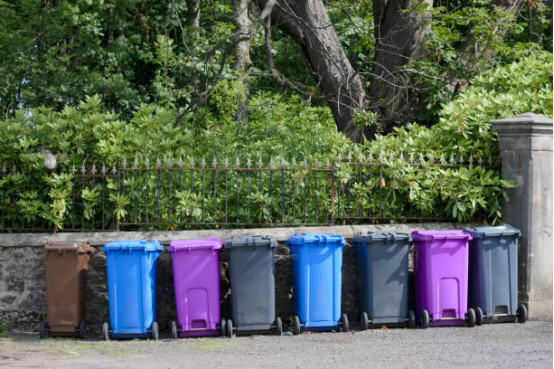
Why bother cleaning your trash can?
Sealing trash cans doesn’t completely block out odors. As heat and humidity build, bacteria decompose the waste, releasing odors. While this decomposition itself poses limited health risks, the odor can attract pests like rats and flies—and that’s the real problem.
If your trash can isn’t cleaned for a long time, you might even smell that sour odor while you’re grilling in the yard or working in the garage. Instead of frequently changing your trash can, it’s more practical to regularly flush the inside with an electric pressure washer .
How do I clean a trash can with an Electric Pressure Washer?
Two steps to quickly remove “junk juice”
Pretreatment: Spray and scrub
with a cleaning agent. Use a rotating brush with an all-purpose cleaner to easily scrape off any debris stuck to the interior. Don’t forget to wear rubber gloves and goggles—the splashes aren’t just clean water.
High-pressure flushing: Choose the appropriate nozzle.
Position the trash can securely (ideally against a wall) and use a 40-degree wide-angle nozzle to flush both the inside and outside. This provides sufficient water pressure without pushing the trash can around. Stand to one side while spraying to avoid backlash.
Tip: If the odor is particularly stubborn, you can scrub the inside with diluted bleach before cleaning, but do not put bleach into the electric pressure washer .
Common Mistakes When Cleaning
Selection of cleaning location
Many people flush their trash cans directly on their driveways, but be aware that wastewater containing trash flowing into drains may violate local environmental regulations. A safer approach is to flush on the grass and let the water absorb naturally.
Excessive use of high pressure
Trash cans are mostly made of plastic or thin metal, so a high-PSI washer isn’t necessary. A small electric pressure washer with around 1000 PSI will do the job. Excessive pressure can damage the sides of the can, potentially damaging the waste.
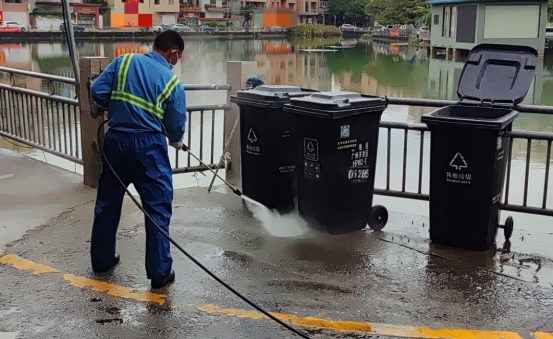
Tips for choosing an Electric Pressure Washer
You don’t need expensive, high-powered equipment to clean your trash can. Here are some tips to help:
Pressure range : 1000–1500 PSI is sufficient for trash cans and daily household use
Weight and portability : Small size and wheel design make it easier to carry around and clean
Accessory compatibility : accessories such as rotating brushes and detergent sprayers can significantly improve cleaning efficiency
For larger containers or stubborn grease stains, consider a slightly higher-powered model, but for most homes, an entry-level electric pressure washer will suffice.
Keep clean and avoid odor
with an electric pressure washer not only removes unpleasant odors but also reduces the chances of pests breeding. Compared to the laborious one-time manual scrubbing, high-pressure washing saves time and effort, and takes only minutes to resolve the problem.
To summarize:
Clean your trash can regularly = avoid odors + reduce pests
Two-step process (cleaner + high-pressure washing) can completely solve the problem
Entry-level devices are sufficient to meet your needs, and there is no need to pursue excessive performance
If you want to say goodbye to the trouble of “junk juice” once and for all, a suitable electric pressure washer may be the easiest investment.