Why does my electric pressure washer start and stop by itself? A complete guide to causes and solutions

an electric pressure washer suddenly stopping and then restarting while cleaning your driveway, patio, or roof? While this seemingly minor issue may indicate a minor malfunction, this article will analyze common causes, provide practical operating tips, and share simple maintenance methods to keep your electric pressure washer running smoothly and lasting longer.
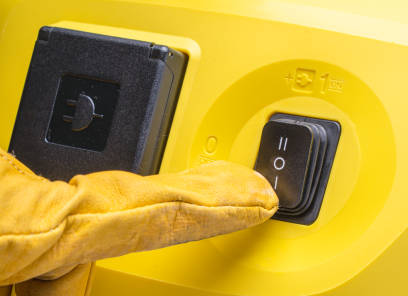
Why does an electric pressure washer start or stop by itself?
Unstable power connection
Often, the source of the problem is quite common: a loose plug, an extension cord not designed for outdoor use, or a frayed cable. Unstable current can confuse the electrical components, causing the pressure washer to become unstable.
Tip: Try switching to a more reliable outlet or using a shorter, heavy-duty, outdoor extension cord; this often resolves the issue.
GFCI Tripping “Overprotection”
Most washing machines have a GFCI (ground fault circuit interrupter), which protects against electrical shock and circuit anomalies. However, this little guard can sometimes be overly sensitive, causing the machine to shut down inexplicably. In such cases, simply press the reset button on the power plug.
Insufficient water pressure or water supply interruption
Although it’s an electric device, an electric pressure washer without water is like an engine without oil. Insufficient water pressure or kinked hoses can cause the machine to choke and start repeatedly. Ensuring that the hoses are unobstructed and the water pressure is stable is a basic yet often overlooked procedure.
Motor overheating
Over time, the motor heats up due to friction. Most machines have overheat protection, which automatically shuts down the machine to cool down. Continuous, extended operation can easily trigger this protection mechanism, so pay attention to the operating intervals and ensure the machine is in a well-ventilated, dry location.
The pressure relief valve or water inlet filter is clogged
The pressure relief valve regulates the direction of pressure. If it becomes stuck or clogged with debris, the pressure washer ‘s water flow will fluctuate. Similarly, dust accumulation in the water inlet filter can affect spray performance. Regular inspection and cleaning of these components is crucial to keeping the equipment running smoothly.
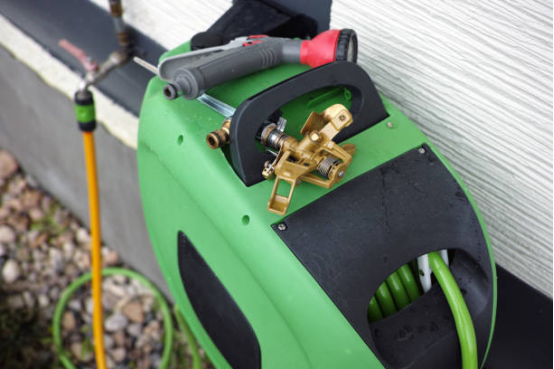
How to solve the problem of starting and stopping the electric high-pressure washer?
Check the power supply and extension cord
Make sure the plug is fully inserted into the outlet and that the extension cord is heavy-duty, outdoor-grade, and no longer than recommended. Testing with a different outlet can help rule out power issues.
Resetting the GFCI plug
If you experience frequent outages, simply press the reset button on the GFCI plug to restore operation. Remember, this is usually a safety protection, not a device malfunction.
Maintain adequate water supply
Before use, check that the water pressure and flow are stable and that the hose is free of kinks. The well water or pump system must ensure a continuous flow, otherwise the electric pressure washer will shut down due to lack of water.
Cool the motor and ensure ventilation
When the machine temperature is too high, let the motor rest. When storing, place it in a well-ventilated and dry place to reduce the impact of overheating and humidity on the equipment.
Clean or adjust the pressure relief valve
A stuck valve can cause the water flow to fluctuate. For minor blockages, flush with clean water and adjust or replace the valve if necessary to ensure a smooth water flow .
Clean or replace the water inlet filter
A clogged filter can cause intermittent spraying. Regularly cleaning or replacing it can save you a lot of trouble and keep your pressure washer running more smoothly.
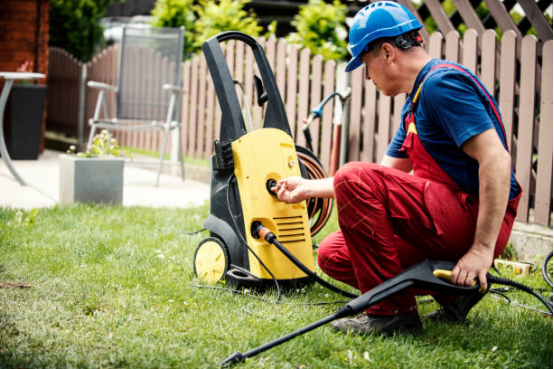
Daily Maintenance Tips for Electric High Pressure Washers
Regular Inspection:
Quickly check the power cord, GFCI plug, and motor status before and after each use, and promptly address any abnormalities.
an extension cord
, use an outdoor heavy-duty, 12-gauge or larger, less than 50 feet in length to prevent voltage drops from affecting performance.
water
supply is the most common reason for starting and stopping the machine. Before use, ensure that the water source is unobstructed and the pressure is sufficient, which will naturally improve efficiency.
Cleaning and storage after use
: Clean the filter, flush the pressure relief valve, and wipe the body. Store in a dry and ventilated place. Use pump protectant if necessary to prevent corrosion or freezing.
Easy to master Electric Pressure Washer
Starting and stopping problems are common, but the causes often lie in the power supply, motor, water supply, and valve filter . By checking the power supply, resetting the GFCI, ensuring the water supply, resting the motor, and performing regular maintenance, you can keep your electric pressure washer running smoothly and efficiently.