Efficient Outdoor Cleanup with an Electric Pressure Washer

When you park at the campsite and start setting up—trunk open, tent unfolded, mat laid out—everything feels ready for adventure. Yet by sunset, mud splashes mark the car, pine needles cling to the mat, and faint salt stains cover your folding chair legs. Outdoor fun often ends with hidden cleanup tasks. That’s where an electric pressure washer comes in: a compact yet powerful cleaning ally that keeps your gear spotless and lasting longer.
Why choose the “Electric Pressure Washer” as a cleaning tool for camping?
In camping environments, a hose and brush alone are often insufficient to handle a variety of stains: mud, sand, tree sap, salt stains, and even soot residue. According to Kärcher’s camping gear cleaning guide, the waterproof coating or metal structure of camping accessories may degrade more quickly if they accumulate “weather-related dirt.”
When you use an electric pressure washer, you gain three advantages:
- Powerful flushing force: capable of washing away tiny stains trapped in crevices, folds, and under the chassis.
- Flexible and portable: Especially suitable for campervans with access to power sources but limited water supply, ground mats in forests, and equipment mounted at the rear of the vehicle.
- Time-prioritized efficiency: Reduce manual cleaning time and focus on the camping experience.
More importantly, this isn’t just about cleaning; it’s a strategy to “protect your investment.” If you delay cleaning, sand particles will abrade equipment fabric like sandpaper, salt will accelerate metal corrosion, and resin residue will damage waterproofing—these are common but avoidable consequences. Using an electric pressure washer is proactive maintenance, not reactive repair.
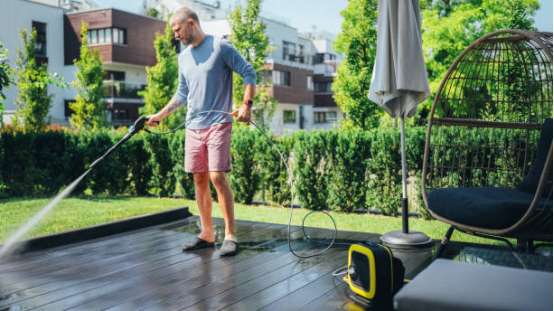
Campervan exterior and chassis cleaning
Your campervan or motorhome has been exposed to dust, leaves, insect stains, and even salt spray on your journey. Cleaning is more than just rinsing; it’s key to restoring performance.
Cleaning steps/operation suggestions
- Preliminary rinsing: Use medium water pressure to first rinse away mud and dust, avoiding the use of the highest pressure to prevent damage to the sealing strips or vehicle stickers.
- Key cleaning areas: under the wheel arches, chassis, foot pedals, and awning edges. These areas are easily overlooked but are where sand, pine needles, and rainwater accumulate. The high mobility of the electric high-pressure washer allows you to “wash along the edges” instead of brushing around the car.
- Maintain proper spray distance and angle: For exterior metal and glass, spray slightly closer, but for awning fabric and body wraps, keep about 0.5 meters or more away. Use a fan-shaped nozzle to avoid streaks or coating peeling.
- Thoroughly dry after cleaning: Moisture left on bolts, joints, and under foot pedals can cause rust or mold. Wipe away visible water droplets with a microfiber cloth after rinsing, or allow to air dry in a well-ventilated area.
The underlying principles and value
By maintaining the look and function of your campervan, the Electric Pressure Washer is more than just a “car wash”—it’s part of extending your vehicle’s lifespan, preventing repairs, and enhancing the user experience. Frequent washing means fewer deep cleansings and more time for camping.
Camping Gear and Ground Mat Cleaning
Camping gear (such as ground mats, folding chairs, tents, and kayaks) often suffers minor damage: sand seeps into the seams, grass stains harden, and the waterproof layer of fabric is damaged. Use an electric pressure washer correctly to restore the condition of these items.
Cleaning strategies for different equipment
- Ground mats and camping blankets: Lay them out outdoors and use a fan-shaped nozzle with medium pressure to wash away mud, pollen, and pine needles. Avoid directing the nozzle at the seams, then lay them flat to dry in the shade.
- Folding chairs/tables: Aluminum or plastic frames can withstand slightly higher pressure. After using a medium-pressure spray, wipe dry with a microfiber cloth. Sand tends to accumulate at the folding joints; apply a little lubricant after rinsing.
- Tents and sunshade fabrics: Although made of durable materials, the waterproof coating is sensitive. Clean with low pressure first, maintain a distance, and avoid high-pressure direct spraying onto the coating. According to outdoor gear experts, improper cleaning can degrade the coating’s performance.
- Kayaks/bicycles/others: After contact with salt water or mud, use an electric pressure washer to rinse the metal/chain/shell, then rinse with fresh water to remove any remaining salt. Kärcher points out: Portable cleaning equipment makes outdoor cleaning easier.
Why are these strategies so important?
Because “cleaning” is not the goal, but a means. Using an electric pressure washer isn’t just about removing dirt; it’s about maintaining your gear’s “outdoor functionality.” A mat free of sand won’t chafe your feet, and an undamaged tent coating will remain waterproof—that’s true peace of mind for your camping experience.
How outdoor cleaning tools are changing the way we camp
As camping, RV travel, and van life become mainstream, awareness of outdoor gear maintenance is also increasing. People are no longer satisfied with simply “piling up” after use but rather with “proper maintenance for longer trips.”
- Many outdoor brands recommend cleaning camping accessories immediately after use to extend the life of coatings and waterproof membranes. Kärcher’s equipment descriptions highlight the advantages of mobile cleaning.
- The market is seeing an increasing number of portable and efficient electric high-pressure cleaners, emphasizing their suitability for outdoor travel.
- The user community has shifted from “washing at home” to “quick rinsing on-site,” saving time and reducing the cost of secondary cleaning.
Therefore, viewing an electric pressure washer as an essential camping tool is not just about cleaning but also about maintenance philosophy and an enhanced experience. You’re not just camping; you’re making your gear, environment, and overall experience more enjoyable.
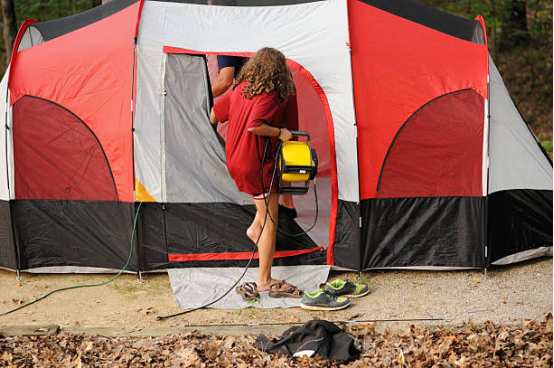
Make cleaning an enjoyable experience, not a chore.
Camping is not just about escaping the hustle and bustle of the city, nor should it be slowed down by the task of “packing and cleaning.” With the help of an electric pressure washer, you can finish packing faster, protect your gear, improve efficiency, and refocus on “camping itself.”
To learn more about electric pressure washers or find cleaning tips and tool recommendations, please visit our website and explore related articles.
The next time you’re packing to leave camp, shouldn’t “cleaning” be an easy part of the process, rather than something that weighs you down? Take the dust with you and leave behind cleanliness and anticipation for your next adventure.