Electric Pressure Washer Deep Cleaning Guide for Grills and Outdoor Kitchens

When faced with thick layers of grease and carbon buildup on your barbecue grill, traditional scrubbing with chemicals might seem like a “makeshift” solution, but the actual cleaning results are often disappointing. Using an electric pressure washer, combined with proper foam pretreatment and a low-pressure nozzle, can restore your outdoor kitchen equipment to near-new condition without damaging metal surfaces or leaving chemical residue. This article will guide you through a systematic approach to efficient deep cleaning of your outdoor kitchen, covering principles, operating strategies, recommendations for environmentally friendly cleaning agents, and maintenance procedures.
Why are electric pressure washers so effective in outdoor kitchens?
Outdoor barbecue grills and kitchens often accumulate grease, burnt residue, soot, and environmental dust on surfaces, lids, supports, and exhaust ducts. Using an electric pressure washer with pre-sprayed foam or eco-friendly detergent effectively removes stubborn buildup. With adjustable pressure, rapid startup, and stable performance, these washers balance safety and efficiency while reducing water and chemical usage, making them ideal for thorough outdoor kitchen cleaning.
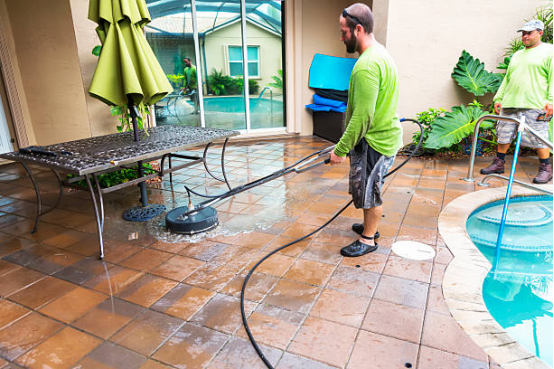
Detailed Explanation of Outdoor Kitchen Cleaning Steps
To make the cleaning process more systematic and feasible, the following explanation is divided into three main areas: “outer shell + oven/rack + detailed accessories.” Each area is covered by low-pressure foam pretreatment, nozzle settings, and safe operating procedures.
Area 1: Shell and Support Structure
Outdoor kitchen enclosures are typically made of stainless steel, aluminum alloy, or powder-coated metal, while the support structure may be iron or steel. The recommended procedure is as follows:
- First, turn off all gas/power and ensure the equipment cools down.
- Spray the outer casing with environmentally friendly degreasing foam (pH neutral or slightly alkaline) and let it sit for about 5 minutes to soften oil stains and smoke stains.
- Set the electric pressure washer to a medium-low pressure mode (approximately 1000-1500 PSI; adjust according to the type of metal), and use a 40° or 25° nozzle to rinse from top to bottom and from the inside out.
- For edges, handles, and rivet seams, use a soft brush for further cleaning to prevent water jets from entering electrical contacts or gas lines.
Avoid getting the nozzle too close to the metal surface during operation, as user forums have mentioned the potential risk that “getting the nozzle too close may peel off the coating or even damage the metal.”
Area Two: Oven interior, grill rack, and exhaust duct
This is the most difficult and crucial area to clean, as it directly affects cooking efficiency and food hygiene.
- Once the oven has completely cooled, remove the grill rack and place it on a safe surface or remove it for cleaning.
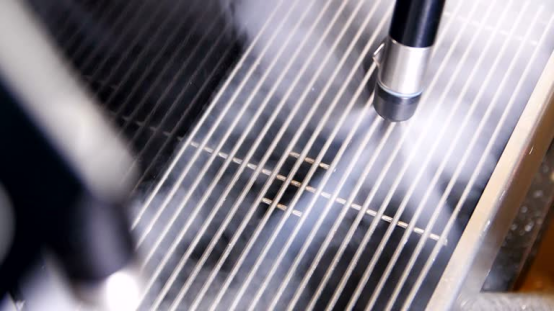
- Spray the grill and interior walls with degreasing foam, let it sit, and then rinse with a low-pressure water stream (approximately 1200-1600 PSI) using a fan-shaped nozzle. It is recommended to keep the spray gun about 20-30 cm away from the grill and use a sweeping motion.
- Rotary nozzles or narrow-angle nozzles can be used to assist in cleaning carbon deposits inside flues or exhaust systems. After cleaning, rinse thoroughly with water and allow to air dry to prevent residual water evaporation from causing carbon buildup.
As discussed in online forums, “Pressure cleaning, similar to brushing, can reduce cleaning time and reach hard-to-reach areas.”
Area 3: Accessories, Countertops, Glass Doors, and Instrument Panels
These small details are easily overlooked, affecting the overall aesthetics and functionality.
- If the countertop is marble or stone, spray it with a neutral detergent first, then use an electric pressure washer on a low setting (about 800-1000 PSI) with a 40° nozzle to gently rinse it to avoid damaging the stone.
- The oven glass door should be rinsed with low pressure and wiped with microfiber to prevent water stains. Direct high-pressure spray should be avoided on the sealing strips and control panel.
- Check the knobs, gas contacts, and electrical switches for water splashes, and wipe them dry immediately.
By using the three-zone cleaning method described above, users can achieve “all-round cleaning” without leaving any part as a weak point.
Recommendations for using environmentally friendly cleaning agents
Removing grease and carbon deposits from barbecue grills and outdoor kitchens requires more than just pressure washing; it also necessitates the use of appropriate cleaning agents and procedures.
- Degreasing pre-spray: A weakly alkaline degreasing agent with a pH of 7-9 is recommended. Used to dissolve grease, protein residue, and tobacco stains. Allow to stand for a few minutes after spraying before rinsing.
- Carbon deposit softener: For the charred carbon layer adhering to the metal surface of the grill, a mild chemical agent containing citrate or bicarbonate can be used to help soften the adhering layer.
- Environmentally friendly options: Cleaning experts recommend avoiding the use of strong acids, bleach, or ammonia-based cleaners, as these can corrode metals or leave harmful residues.
- After cleaning, the water flow in the rinsing area should be directed to the sewage discharge system to prevent grease from seeping into the soil. Achieving environmentally friendly cleaning is not only about results but also about responsibility.
Combining the above-mentioned detergent pretreatment with the rinsing process of the electric pressure washer can significantly improve cleaning efficiency while protecting equipment materials and extending its service life.
Extend the lifespan of cleaning tools and outdoor kitchens
A meticulously cleaned outdoor kitchen will quickly lose its effectiveness if it lacks subsequent maintenance. Similarly, cleaning tools also need maintenance.
- After each use, the pressure cleaning gun head, nozzle, and hose must be thoroughly rinsed and kept dry.
- Regularly check nozzle wear and spray angle. A nozzle angle that is too large or severely worn will reduce the cleaning effect.
- For outdoor kitchen equipment, it is recommended to perform a deep cleaning and rust prevention treatment once a quarter, especially for the metal chassis, welded joints, and support structure.
- Maintain a cleaning log, including equipment used, type of cleaning agent, pressure setting, and operation duration. This is recommended practice by professional cleaning services.
By maintaining your grill and kitchen equipment scientifically, you can not only keep them clean but also extend their lifespan, saving you costs in the long run.
The Future of Outdoor Kitchen Cleaning and Opportunities for Electric Cleaning Tools
With the rise of outdoor living, more and more homes and vacation facilities are equipping themselves with outdoor kitchens and barbecue areas. This trend is driving growth in the cleaning services and equipment market.
Against the backdrop of green, environmentally friendly, low-noise, and low-emission technologies, electric pressure washer tools like the Electric Pressure Washer are particularly well-suited. Their electric drive, adjustable pressure, multi-functional nozzles, and foam systems combine efficiency and environmental friendliness. Future trends may include intelligent spray adjustment, cleaning agent formula tracking, and networked equipment management. Service providers can leverage these tools to create a service entry point: “deep cleaning of outdoor kitchens.”
Conclusion
Cleaning barbecue grills and outdoor kitchens shouldn’t be as simple as just brushing and wiping. When you take grease and carbon buildup seriously, using an electric pressure washer with eco-friendly pre-spray foam, proper zoned cleaning, and a standard maintenance routine, you can achieve true “deep cleaning”—protecting your equipment and enhancing the user experience.
So—are you ready to give your outdoor kitchen a sparkling clean look before your next party?