Electric pressure washer Can car washing really save time and effort?

Many people still wash their cars the old-fashioned way—bucket, sponge, soapy water, and an entire afternoon. While the results are acceptable, they also come with back pain and a lot of stains.
In recent years, however, electric pressure washers have made this process much easier. They don’t require specialized skills or take hours to get your car’s body and tires spotlessly clean.
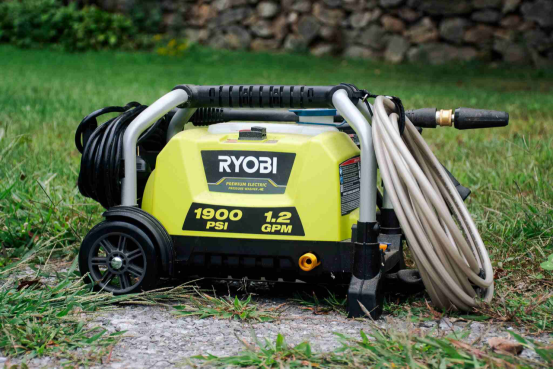
Why is an electric pressure washer more suitable for car washing?
Traditional manual scrubbing uses a gentle but inefficient water flow. Electric pressure washers , on the other hand, utilize a motor to boost ordinary water flow to high pressure, releasing a powerful jet of water through a nozzle.
This pressure is sufficient to remove dust and dirt from paint, wheel rims, and undercarriage edges.
Furthermore, because they are powered by electricity , they are quieter, easier to maintain, and less bulky than gas-powered models.
Tip: The higher the pressure, the better. For car paint and plastic parts, moderate water pressure can remove dirt without damaging the surface.
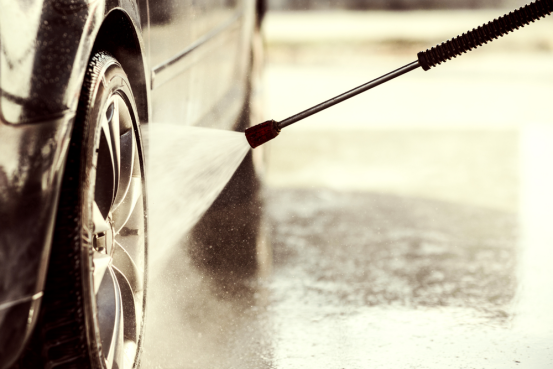
How to use electric pressure washer to wash your car correctly?
1. Choose a suitable location
Find an open, well-drained area to park your car to avoid splashing water on areas that should not be dirty.
2. Check equipment and water pressure
Make sure the washer cable is long enough to reach all sides of the vehicle.
Choose the appropriate pressure setting based on the vehicle type and the level of dirt. Medium and low pressures are sufficient for most surface dirt on the paint, while high pressure is suitable for stubborn stains or tire sidewalls.
3. Choose the right nozzle
The narrower the nozzle angle, the stronger the impact. It is recommended to use a wider nozzle (such as 25° or 40°) for car washing, which can cover a larger area while avoiding the risk of scratching the paint.
4. Rinse pretreatment
Before using any cleaner, rinse the car body with clean water from top to bottom. This step can remove dust and sand, reduce the possibility of scratching the paint surface, and is also a good way to test whether the pressure is appropriate.
5. Use detergent
Most electric pressure washers come with a detergent compartment:
Mix the car wash liquid and clean water in proportion and pour them into the detergent container of the equipment.
Spray on the car body in low-pressure mode to ensure coverage of details such as wheels and bumpers.
6. Rinse again
Switch back to high-pressure water mode and rinse from the roof down until all foam and residue are completely removed.
7. Dry and finish
While air drying will allow the water to evaporate naturally, patting with a soft microfiber towel will prevent water marks and enhance the finish.
Common Misconceptions When Using an Electric Pressure Washer to Wash Your Car
Myth 1: The more pressure, the better
Too high a pressure can damage paint, tear film, or scratch plastic. A safe approach is to start with low pressure and gradually increase it as needed.
Myth 2: Any surface can be directly washed
Vehicle logos, rubber sealing strips, and some aged plastic trims may loosen or even fall off under high-pressure water jets, so you should avoid them or reduce the washing intensity.
Why not choose a gas pressure washer?
While gas models offer more power, they’re not essential for car washing. Electric pressure washers are compact, quick to start, low-maintenance, and require no fuel or exhaust treatment.
For most car owners, this “plug-and-go” approach is the most common use case.
in conclusion
Washing your car doesn’t have to be a time-consuming and labor-intensive chore. An electric pressure washer can quickly rinse, clean, and lather your car, leaving you with a sparkling, like-new car.