Is an electric pressure washer worth buying? Which is better for household cleaning, gas or electric?

Need a quick yard, deck, or sidewalk cleanup? Or maybe need to give an old wooden fence a coat of paint? A pressure washer is a great tool for cleaning around the house. However, choosing between an electric pressure washer and a gas-powered one can be confusing. This article will help you sort out the differences and determine which is best for your project and skill level.
Electric vs. Gas Pressure Washers: Which Differences Are Most Crucial?
Generally speaking, electric washers are lighter, easier to use, quieter, and more environmentally friendly. Gas washers are more powerful and durable, but also more expensive and require more maintenance. Which one you choose depends mainly on your application and personal preference.
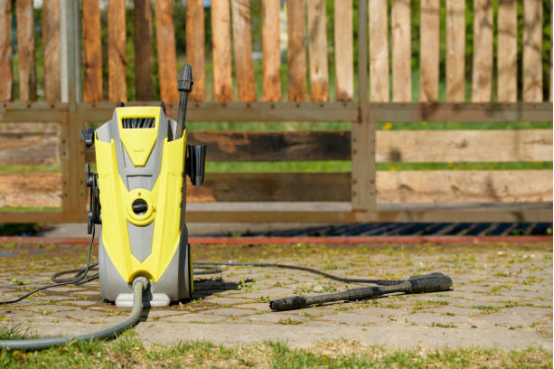
electric pressure washer
Beginner-friendly and easy to get started
Quiet and environmentally friendly, no exhaust emissions
Light cleaning, suitable for small yards, sidewalks, and decks
Simple maintenance, requiring only occasional cleaning and lubrication of the pump
Service life is about 3–5 years
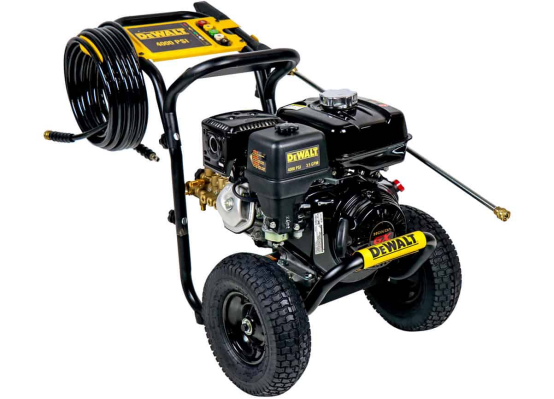
gas pressure washer
High power and strong cleaning ability, can flush out stubborn stains
Exhaust emissions, loud noise, slightly complicated operation
High durability, requires regular maintenance such as oil changes and spark plugs
Service life is about 5–7 years
Higher costs
From the perspective of ease of use and environmental protection, electric pressure washers are undoubtedly more suitable for families and light DIY enthusiasts. In contrast, if you often clean large hard surfaces or old paint, the advantages of gas models are more obvious.
Why are electric pressure washers better for beginners?
Many people buy gas pressure washers only to discover that they require not only refueling but also checking the oil and spark plugs, making operation somewhat complex for novices. Electric washers, on the other hand, require little additional operation as long as they are connected to a household power source.
In addition, the output pressure of electric pumps is generally between 1500-3000 psi, which is slightly weaker than the 2500-4000 psi of gas engines, but this also means that the risk of damage caused by misoperation is lower. Small yards, garden stones, sidewalks, and even car cleaning can be easily handled by electric pumps.
Tip : For light cleaning, a power washer not only saves you the trouble but also reduces the chances of damaging wood or tiles due to high pressure.
Use and maintenance: Tips for maintaining the longevity of your device
Whether you have an electric or gas pressure washer, cleaning and proper storage are key to extending its life.
Electric high-pressure cleaner
Rinse the machine, hose and nozzle after use
Avoid long-term storage in a humid environment
Lubricate the pump regularly to keep it running smoothly
Gas high pressure cleaner
In addition to cleaning, you also need to check the oil level, add oil, spark plugs, etc.
Change oil and filters regularly
Because of its heavy weight, be careful to protect the hose and nozzle when moving
Interestingly, while gas pressure washers are more durable, the lightweight design of electric washers is more suitable for daily home use, and there is almost no psychological burden in maintenance.
Performance and cost: Is it enough for small projects?
Although electric pressure washers don’t produce the same pressure as gas-powered models, they’re more than adequate for most household scenarios: deck scrubbing, yard cleaning, and car cleaning.
Electric models cost about $90–$180
Gas models cost about $200–500
Therefore, if you have a limited budget and don’t need to clean large or particularly dirty surfaces, an electric pressure washer will clearly offer better value for money.
Tip: When you occasionally need higher cleaning power, you can choose a high-pressure nozzle or multiple pressure settings to extend the application scenarios of the electric motor.
Common Misunderstandings and Popular Science Knowledge
Many people mistakenly believe that electric pressure washers are weak, but in fact, their pressure is sufficient for most daily cleaning tasks. Another misconception is that the bigger the gas-powered machine, the better. In fact, excessive pressure can easily damage wood or tiles, so it needs to be used with caution.
Split keyword understanding
Electric : means powered by electricity, zero emissions
Pressure : Indicates the water pressure, which determines the cleaning ability
Washer : This is the main body of the washing machine. Different materials and configurations will affect the user experience.
Understanding these basic concepts will help you choose the model that best suits your needs without being intimidated by power figures.
Which pressure washer should you choose?
If your goal is light cleaning around the house, simple operation, cost-savings, and environmental friendliness, then an electric pressure washer is undoubtedly the best choice. It’s easy to use, simple to maintain, affordable, and powerful enough for everyday tasks like decks, sidewalks, and patios.
If you occasionally need to powerfully remove old paint or hard surface stains and don’t mind the extra maintenance and noise, a gas-fired pressure washer might be a better fit.