Application Cases of Electric Pressure Washers in Building Maintenance Projects

On construction sites, cleaning is often considered a final step: concrete dust, paint splatter, scaffolding residue, wall stains… This type of cleaning is not only time-consuming but can also affect progress and safety. Today, we’ll explore case studies of electric pressure washer applications in building maintenance environments, seeing how it helps construction and maintenance teams improve efficiency, ensure quality, and transform cleaning into a standardized, manageable system.
Table of Contents
Why do high-pressure electric cleaning systems perform so well in construction applications?
The types of “dirt” in the built environment are diverse: old paint spots, cement residue, dust accumulation, and adhesive residue on walls. Traditional manual scrubbing or soft water rinsing is often time-consuming and ineffective. Using electric high-pressure cleaning equipment, however, utilizes high-pressure water jets to mechanically peel away hard dirt, while precise cleaning is achieved through nozzle and angle control.
Online data indicates that in the post-construction cleaning phase, using pressure cleaners can significantly reduce manual labor and improve cleaning quality.
Furthermore, professional high-pressure cleaning industry reports indicate that high-pressure equipment can save up to 85% of water in construction scenarios compared to traditional hose rinsing methods.
When applied to building maintenance, the combination of “electric power + high-pressure water flow + suitable nozzles” is the logical approach: the electric drive of the electric pressure washer replaces gasoline or diesel assistance, making the equipment easier to schedule, simpler to maintain, and more environmentally friendly to operate. This combination perfectly meets the high-frequency, cross-regional, and standardized needs of maintenance teams.
How to deploy Electric Pressure Washers in building maintenance
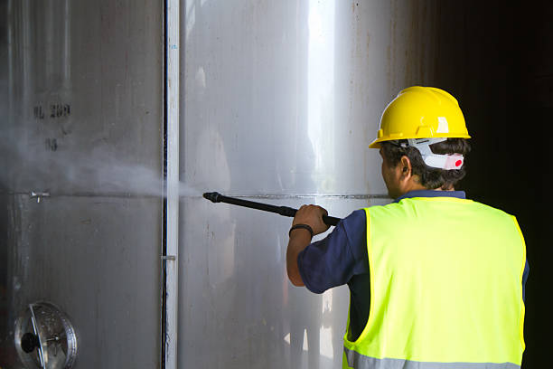
In construction projects, cleaning often presents challenges due to the combination of multiple areas, multiple materials, and different types of residue. The following are key strategies for efficient deployment:
1. Segmented Cleaning by Area:
The work area is divided into deck, facade, ground, and equipment areas. Each area is equipped with different nozzle angles and pressure settings to suit the materials (e.g., concrete, glass, stainless steel) and residue types.
For example, in the later stages of wall cleaning, 25° or 40° nozzles can cover a larger area, while at the bottom of scaffolding or in crevices, narrower-angle or rotating nozzles are used to achieve deep cleaning.
2. Optimizing Work Schedule and Resources:
Building maintenance often has time windows (such as nighttime or off-peak construction periods) to avoid impacting construction progress. Using an electric pressure washer, cleaning operations can be synchronized with or tightly scheduled with construction, thereby reducing downtime losses.
Case studies show that in one industrial maintenance project, high-pressure cleaning operations reduced the cleaning phase time by approximately 30%.
3. Equipment and Auxiliary Procedures:
Different facilities, such as building exteriors, scaffolding, and floors, require coordinated washing, spraying, and rinsing operations. An electric pressure washer can serve as a “rinsing and pretreatment” tool, allowing for direct entry into the spraying or repair stage after cleaning, thus shortening the process.
For example, after removing residue from concrete surfaces, the repair team can directly fill cracks or apply coatings, thereby improving overall project efficiency.
Ensure the sustainable use of equipment in the construction site environment.
Construction projects involve complex environments: mud, dust, exposed cables, temporary water sources, and extensive scaffolding. Using high-pressure water jet equipment without proper safety protocols poses significant risks. The following are key recommendations:
- Power supply and grounding requirements: Electric pressure washers should be connected to a dedicated power supply on site, and waterproofing and leakage prevention measures should be in place.
- Spraying safety distance and isolation from the work area: During the operation, the cleaning area should be fenced off to prevent water splashing from affecting construction workers or other site activities.
- Maintenance procedures: Regularly check nozzle wear, hose aging, and the motor cooling system. Proper maintenance can prevent downtime during critical phases. Case studies from construction and cleaning projects show that neglecting nozzle replacement can reduce equipment efficiency by approximately 15%.
- Water and wastewater management: Construction site cleaning may generate mud and oil-stained water, necessitating the use of drainage channels and wastewater treatment facilities. In some cases, a recycling system is employed to filter and reuse the flushing water.
By using and maintaining it properly, the electric pressure washer not only improves efficiency in construction site cleaning but also reduces equipment failures, minimizes downtime, and enhances construction safety.
Upgrade from localized cleaning to a systemic solution
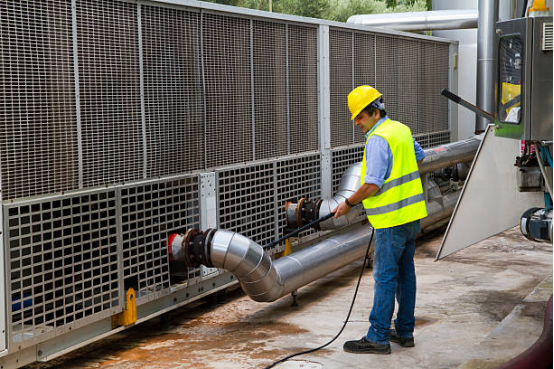
In real-world projects, electric pressure washers have been used for various tasks, including site equipment cleaning, scaffolding pre-flushing, pre-repair washing of exterior walls, and floor cleaning. Their high-pressure cleaning capabilities allow for the rapid removal of long-accumulated dust, concrete residue, and paint stains, improving the usability of subsequent processes.
Industry trends also indicate that cleaning is no longer a post-construction task but a core component of building maintenance project management. Regular cleaning not only improves appearance but also extends structural lifespan and reduces maintenance costs.
Furthermore, as the construction industry strengthens its environmental regulations, low-emission, low-noise, and high-efficiency cleaning equipment (such as electric pressure washers) is becoming increasingly popular. Compared to traditional fuel-powered equipment, electric pressure washers offer greater flexibility in site deployment and help reduce the environmental impact of operations.
If construction or maintenance teams wish to learn more about the engineering applications and standardized deployment solutions for electric pressure washers, our website provides in-depth case studies and links to operation manuals.
Conclusion
From principle analysis and operational strategies to safety standards and industry trends, the value of electric pressure washers in building maintenance projects is clearly evident. It not only helps improve cleaning efficiency but also supports construction schedule optimization, equipment maintenance, resource management, and safety control. Want
more electric pressure washer application case studies? Please check out our blog.
Are you ready to turn cleaning from a procrastinating task into a competitive advantage? Efficient cleaning starts with choosing the right tools.