The efficient application of electric pressure washers in cleaning electric skateboards and bicycles

Electric skateboards and bicycles sit quietly in garages or outdoor racks. Dust, dirt, and urban particles accumulate between the rims and chassis, often proving difficult to clean thoroughly with traditional washing methods. Furthermore, excessive water pressure can damage the delicate motors and electronic control systems. In these situations, the Electric Pressure Washer, with its precise, controllable water flow and low-pressure cleaning modes, becomes the ideal tool for maintaining the cleanliness of electric vehicles and skateboards. This article will delve into the safe operation, precautions, and maintenance strategies for cleaning electric vehicles and skateboards with the Electric Pressure Washer, providing users with a comprehensive reference.
Table of Contents
Low-pressure cleaning principle and safe operation strategy
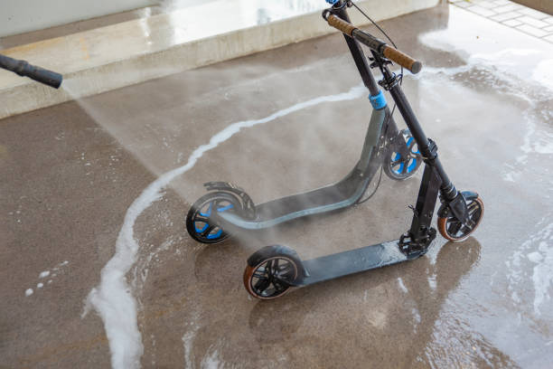
The core advantage of the electric pressure washer lies in its adjustable pressure output, allowing users to operate flexibly in different scenarios. When cleaning electric skateboards or bicycles, excessive pressure can damage the motor, waterproof seals, or electronic control systems, making the use of a low-pressure mode crucial. Industry practice shows that rinsing within a low-pressure range of 500–900 PSI effectively removes dust and grime while avoiding damage to electronic components.
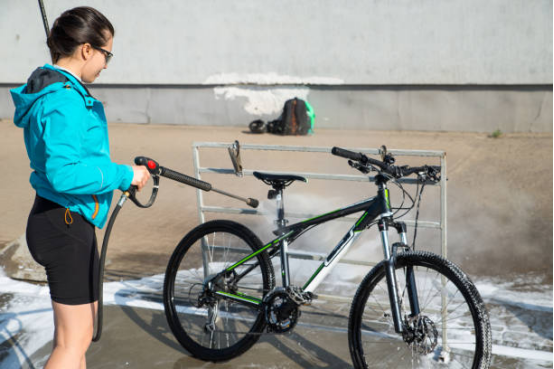
During operation, it is recommended to maintain a distance of 30–40 cm between the nozzle and the vehicle surface and to use a sequential cleaning method: first clean the tires and chassis, then clean the body and the area around the battery cover. This bottom-up cleaning sequence can avoid secondary contamination and ensure that the water flow evenly covers all key areas.
Key cleaning areas and methods
There are several parts of electric skateboards and bicycles that require special attention:
- Wheel hub and bearing: Mud and sand tend to accumulate inside the wheel hub. Low-pressure water flow can quickly wash away surface particles, and a soft brush can be used to gently brush the internal gaps.
- Motor housing: Most electric vehicle motors are waterproof, but excessive pressure can still cause water to seep in and damage internal components. Using the low-pressure mode of an electric pressure washer and avoiding direct impact to the water inlet can effectively protect the motor’s lifespan.
- Control panel and battery interface: These areas are usually designed with a high level of waterproof sealing, but it is still recommended to rinse gently with a spray mode and avoid prolonged direct water flow.
- Chassis and pedals: Mud, fallen leaves, and dust can easily accumulate between the chassis and pedals. Low-pressure water flow can quickly remove the deposits while reducing the risk of corrosion.
In practice, most users report that adjusting the nozzle to a fan-shaped mode can cover a larger area, which saves time and reduces the impact on sensitive areas.
Maintenance and Drying Strategies
Cleaning is only the first step in keeping your electric skateboard or bicycle in top condition. After a low-pressure rinse with an Electric Pressure Washer, proper drying and inspection are essential to protect sensitive electronic components.
1. Drying and Inspection
- Surface moisture removal: Quickly remove water using a towel, microfiber cloth, or compressed air.
- Protect critical areas: Ensure battery compartments, control panels, and motor interfaces remain completely dry.
- Regular checks: Inspect seals, waterproof connections, and motor housing to detect early signs of wear or leakage, preventing costly repairs and extending lifespan.
2. Maintaining the Electric Pressure Washer
- Drain residual water: After each cleaning session, remove water from hoses, nozzles, and pumps to avoid corrosion, mineral buildup, or scaling.
- Proper storage: Store the Electric Pressure Washer in a warm, dry area; hanging it helps protect the motor and spray gun components.
By following these practices, both your electric vehicle and Electric Pressure Washer can perform efficiently and reliably for years, ensuring safe, high-quality maintenance and long-term durability.
Industry Trends and User Experience Insights
With the widespread adoption of urban micro-mobility and smart transportation tools, the number of electric skateboards and bicycles has surged, leading to a significant increase in user demand for efficient, convenient, and low-risk cleaning methods. Electric pressure washers, with their flexible operation, adjustable pressure, and portability, are gradually becoming the preferred cleaning solution for both home and outdoor users.
According to user feedback, low-pressure washing not only improves daily maintenance efficiency but also reduces wear and tear on the transmission system caused by dust or grime. Some frequent users even include the electric pressure washer in their regular maintenance routine, rinsing it weekly, which significantly reduces long-term wear and tear. It’s worth noting that using the correct brush, cloth, and mild detergent can further optimize cleaning results without increasing the risk to electronic components.
Industry trends show that low-pressure intelligent car wash equipment is developing towards being lighter, having a wider adjustable pressure range, and being equipped with a variety of nozzle accessories so that users can choose the most suitable cleaning method according to different vehicle types and levels of dirt.
Conclusion
Electric pressure washers offer exceptional value in cleaning e-bikes and bicycles, providing efficient and precise cleaning solutions while prioritizing equipment safety and protecting electronic components. Through low-pressure washing, scientific operation, and system maintenance, users can extend vehicle life and maintain a stable and comfortable riding experience.
To learn more about the applications and cleaning techniques of electric pressure washers, check out our other articles to explore more cleaning solutions. Have you already tried incorporating low-pressure washing into the daily maintenance of your electric vehicle or skateboard? In the future, with continuous innovation in cleaning technology, will we see more intelligent rinsing systems that make cleaning more convenient and safer? We look forward to sharing more practical experience and industry insights with you.