How to properly connect and use an electric pressure washer? A comprehensive guide

When it comes to outdoor cleaning, a reliable electric pressure washer makes the job easy and efficient. However, ensuring optimal performance, properly connecting the water source and hose is crucial. This article will guide you through the complete process, from hose selection to device startup, to help you avoid leaks and reduced performance.
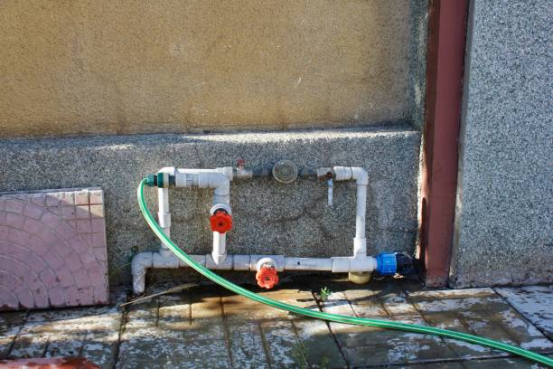
Why is it important to connect hoses correctly?
Using a high-quality garden hose is the first step. A standard 3/4-inch diameter hose provides a steady flow of water and reduces pressure fluctuations. When connecting, ensure both the faucet and appliance ends are secure, not loose or kinked.
The inlet is usually located on the front or side of the device and is clearly marked. If your electric pressure washer has a filter, check that it is clean to ensure smooth water flow. When connecting, tighten gently, avoiding excessive force to prevent damage to the threads.
Tip: Before turning on the power, let water flow through the device for a few seconds to expel the air in the tube. This helps stabilize the pressure and protect the pump.
How to choose and install suitable connection accessories
Matching hose and faucet
Most pressure washers come with a variety of adapters, and choosing a connector that’s compatible with your garden hose is crucial. Common options include snap-on and screw-on connectors:
Snap-on type: quick operation, suitable for frequent disassembly and assembly
Screw-in type: tight fit, high pressure resistance, better stability
Brass is the preferred material for long-term use, as it is corrosion-resistant, durable, and reliable. Plastic is suitable for occasional use but has a shorter lifespan. During installation, check that the faucet threads are intact. If necessary, use PTFE tape to enhance the seal.
Inspection and testing before start-up
Before you begin cleaning, please complete the following steps:
Check the hose for cracks or leaks
Clean the connector and faucet interface of the impurities
Remove aerators or flow restrictions (if any)
Secure the hose gently to avoid kinking or excessive tension
starting the electric pressure washer , observe whether the water flow is even and whether the pump makes any unusual noises. If you find any leaks or unstable pressure, shut down the device immediately and adjust the connections.
Quick Tip: Installing hose clamps or using quick-connect fittings can significantly reduce the hassle of repeated disassembly and assembly during cleaning.
Frequently Asked Questions and Maintenance Suggestions
Prevent leaks and pressure loss
Regularly check hoses and connectors for wear
Clean the inlet filter to prevent clogging with debris
Replace rubber seals or O-rings regularly
Test the water flow every few weeks to ensure stable performance of the equipment
Additionally, a light application of silicone lubricant can extend the life of the connector. Long-term use of the electric pressure washer , storing the hose promptly and protecting it from exposure to harsh environments, can also help keep the equipment running smoothly.
Tips to Extend the Life of Your Electric Pressure Washer
By properly connecting, selecting the right accessories, and performing regular maintenance, your electric pressure washer will maintain its efficient performance for many years to come. Small preventative measures, such as inspecting hoses, cleaning filters and seals, and replacing worn parts, can save significant time and effort. Whether you’re cleaning your yard, car, or patio, these steps are essential.