Lifecycle design of Electric Pressure Washers from an environmental perspective

In modern cleaning technology, the electric pressure washer is not only a highly efficient cleaning tool for home and commercial environments but also embodies a complete eco-design philosophy from production and use to recycling. Understanding its lifecycle design helps us comprehensively assess the product’s environmental impact in energy consumption, material use, and waste management. Every use carries the value of environmental decisions and sustainable actions. In an era increasingly focused on carbon footprint and resource recycling, a product’s environmental characteristics have become an important reference indicator for consumers.
Table of Contents
Manufacturing and Material Selection: The Source of Green Development
The electric pressure washer is shaped from its inception. The choice of materials involved in the manufacturing process directly affects its environmental impact throughout its life cycle.
- High-density recyclable plastics: While ensuring structural stability and durability, plastic parts can be effectively processed in the recycling system, avoiding ending up in landfills.
- Aluminum alloy frame and metal components: Metal materials are durable and recyclable, reducing reliance on primary mineral resources.
- Biodegradable seals and tubing: reduce the long-term environmental impact of chemical residues while simplifying subsequent recycling and processing.
In addition, the modern electric pressure washer manufacturing process emphasizes low-complexity design and reduces the mixing of materials, thereby improving disassembly efficiency. By optimizing production layout, partial supply chains, and localized production, carbon emissions in the manufacturing process can be reduced by approximately 15%-25% compared to traditional models. Decisions made at this stage not only affect the ecological footprint but also reflect the brand’s commitment to sustainable production.
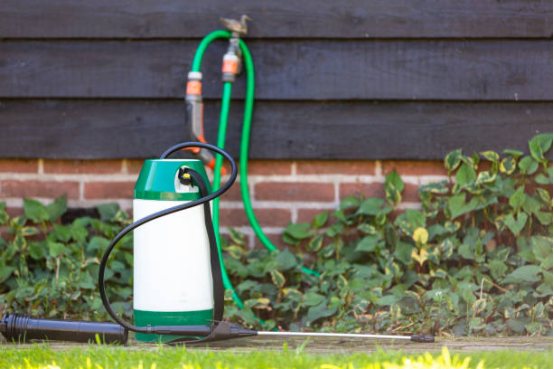
Optimization during use: Energy saving and collaborative cleaning
The product usage phase is often the stage in its lifecycle where the technological value and user experience are most evident. The electric pressure washer achieves high cleaning efficiency while reducing energy consumption through a high-efficiency motor, pressure control system, and intelligent spray patterns.
- Intelligent energy-saving mode: The equipment can automatically adjust the pressure and flow rate according to the spraying requirements to avoid energy waste.
- Synergistic biodegradable cleaners: Choosing environmentally friendly cleaners can reduce water pollution while ensuring effective cleaning, making them especially suitable for everyday applications such as gardening, outdoor furniture, and vehicle cleaning.
Real-world examples show that using environmentally friendly cleaning agents can reduce chemical residues by approximately 40%-50%, while also reducing water and electricity consumption for secondary cleaning. For frequently used commercial spaces, such as outdoor dining areas and community public spaces, environmentally friendly cleaning solutions significantly reduce long-term maintenance costs and provide positive support for the community ecosystem.
In addition, the noise control and ease of operation of the electric pressure washer make the user experience more comfortable, indirectly improving the sustainability of environmental protection. The comfortable user experience allows the device to be used frequently without causing neighborhood protests or public noise problems.
Maintenance and Life Extension: Reducing Resource Waste
Extending equipment lifespan is a key strategy for reducing electronic waste and resource consumption. The electric pressure washer’s modular design allows users to maintain efficient operation by simply replacing faulty parts, avoiding the need for complete obsolescence.
- Regular maintenance and storage guidelines: By providing clear maintenance manuals and online tutorials, users can extend equipment life and reduce maintenance costs and resource consumption.
- Repair services and recycling incentives: Some brands offer parts recycling and trade-in programs to encourage users to actively participate in the recycling system.
Data shows that electric cleaning equipment with a complete maintenance system and replaceable parts can have an average lifespan that can be extended by 2 to 3 years, and the environmental impact over its life cycle is reduced by about 20%-30% compared to disposable equipment. This strategy not only saves the energy required to manufacture new equipment but also reduces the potential environmental hazards of discarded electronic products.
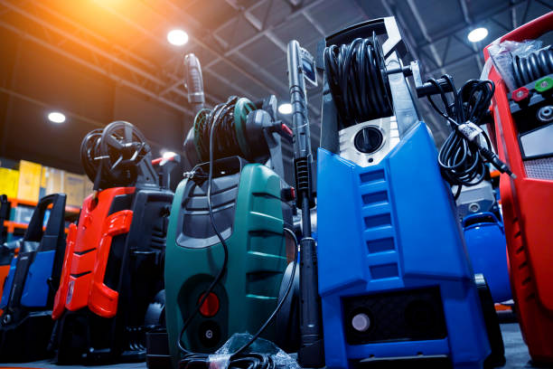
Recycling and Closed-Loop Ecosystems: The Final Step in Sustainable Cleaning
When an electric pressure washer reaches the end of its service life, its closed-loop recycling design ensures it continues to contribute to environmental protection rather than becoming waste.
Deconstructable Structure
A thoughtfully designed, deconstructable structure allows plastics, metals, and electronic components to be easily separated, enabling efficient recycling and minimizing landfill impact.
Cooperative Recycling Network
Brands are increasingly building cooperative recycling networks, partnering with specialized recycling companies to provide incentives for returning used electric pressure washers and other electronic cleaning equipment. This approach not only improves recycling rates but also encourages consumers to participate actively in sustainable practices.
Material Reuse
Recycled metals and plastics from old washers can be repurposed into new products, reducing the demand for virgin materials and lowering overall energy consumption in manufacturing. In mature markets, such recycling programs have achieved rates of 60%-70%, significantly cutting resource waste and environmental pressure.
Consumer Trust and Sustainability
Transparent lifecycle extension and recycling strategies enhance consumer trust in brands, making sustainability a tangible and measurable part of the product experience. By designing electric pressure washers with end-of-life recycling in mind, manufacturers and users alike can create a truly circular economy, turning cleaning tools into an integral part of a sustainable lifestyle.
Conclusion
From manufacturing to use and then to maintenance and recycling, the electric pressure washer’s lifecycle design demonstrates a complete environmentally conscious logic chain. The selection of green materials, energy-saving operation, modular maintenance, and closed-loop recycling make cleaning not just a superficial task but a manifestation of a sustainable lifestyle.
Using electric pressure cleaning equipment is not only about efficient stain removal but also a commitment to environmental protection. Every cleaning and every maintenance is a practice of participating in sustainable ecology.