Safe Application of Electric Pressure Washer in Farm Cleaning

Modern farm management not only focuses on crop yields and livestock health but also increasingly emphasizes cleaning efficiency and operational safety. In this context, the electric pressure washer has become an indispensable and highly efficient cleaning tool in agricultural production. Through scientific deployment and safe operation, it can significantly improve the hygiene of farm equipment and livestock housing environments while optimizing labor costs and resource utilization. This article will explore its application in depth from multiple perspectives, including operating principles, team management, safety regulations, and maintenance strategies.
Table of Contents
High-efficiency cleaning principle: Combination of pressurized water flow and safety management
In farm environments, dirt, feed residue, and animal excrement accumulate rapidly, and traditional cleaning methods are time-consuming and labor-intensive. Electric pressure washers offer a cleaning method that combines efficiency and safety through electrically powered, high-pressure water jets.
- High-pressure precision rinsing: It can easily remove mud and stubborn stains from the surface of equipment while reducing the labor intensity of manual scrubbing.
- Adjustable pressure and nozzles: Adjust the water flow intensity according to different cleaning targets to ensure no damage to sensitive equipment or livestock facilities.
- Spray angle control: By adjusting the spray gun angle, efficient coverage of corners and crevices can be achieved, avoiding the growth of bacteria in dead corners.
Some agricultural case studies show that using an electric pressure washer to clean tractors, seeders, or barn equipment can reduce operating time by about 40%, increase water efficiency by about 25%, and reduce operating costs while maintaining cleanliness standards.
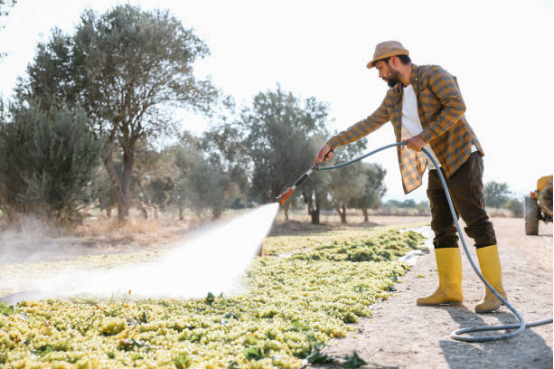
Team Operations and Standardized Processes
Even the most advanced Electric Pressure Washer cannot reach its full potential if it is not used correctly. In modern farm cleaning, team training and standardized processes are essential to maximize both efficiency and safety.
Operational training: Employees should be fully trained on starting, adjusting pressure, and safely handling the electric pressure washer. Proper instruction reduces operational risks, prevents equipment damage, and ensures consistent cleaning performance across all areas.
Work process development: Cleaning sequences should be clearly structured according to different equipment, livestock sheds, and surrounding farm areas. By specifying the correct operating steps for each zone, teams can maintain high hygiene standards while avoiding redundant work.
Task allocation optimization: In multi-person operations, dividing the farm into zones and assigning shifts ensures continuous cleaning with minimal downtime. Properly coordinated use of multiple electric pressure washers allows teams to cover larger areas efficiently, reducing waiting times and increasing overall output.
By combining thorough training, structured work processes, and strategic task allocation, farms can leverage the full capabilities of electric pressure washers, maintain consistent hygiene during intensive cleaning cycles, and minimize accidents caused by improper operation.
Safety regulations and risk control
Farm cleaning environments are complex, with water, electricity, and machinery coexisting, making safety risks significant. The use of electric pressure washers must strictly adhere to safety regulations:
- Waterproof power management: Ensures that the power interface and extension cable are moisture-proof and waterproof, reducing the risk of electric shock.
- Wear personal protective equipment: Operators should be equipped with non-slip shoes, gloves, and goggles to avoid accidental injury from high-pressure water flow.
- Equipment distance and spray angle: Maintain a safe distance to avoid direct impact of high-pressure water on animals or people and reduce the possibility of injury.
Studies show that following safety guidelines when operating an electric pressure washer can reduce the accident rate by more than 50%, providing safety for farm workers while ensuring effective cleaning.
Data Management and Cleaning Optimization
Modern agricultural management is becoming increasingly data-driven, and cleaning operations are no exception.
::Work logs : Evaluate equipment and personnel efficiency by recording the time required for each cleaning session.
electricity, and resource consumption monitoring: by combining data on water, electricity, and cleaning agent usage, potential energy-saving opportunities can be analyzed.
Strategy optimization: Use data to adjust cleaning sequence, pressure settings, and work periods to improve overall work efficiency.
Data-driven management models enable farms to not only maintain high standards of hygiene but also to scientifically plan resource use and reduce unnecessary consumption.
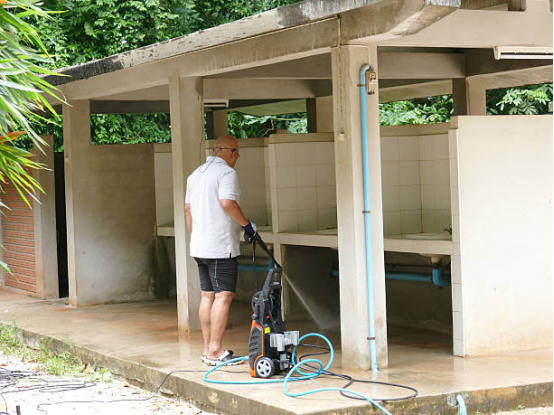
Trends and Future
With increasing environmental and animal health standards in agricultural production, electric pressure cleaning equipment has broad application prospects.
- :Green cleaning solutions: Combining environmentally friendly cleaning agents to reduce chemical residues and water waste.
- recording, The development of intelligent equipment: In the future, it may realize automatic pressure regulation, work recording, and remote monitoring, thereby improving management efficiency.
- Efficient farm management model: Through standardized operations and intelligent data analysis, it optimizes the allocation of labor and resources, providing a guarantee for sustainable agriculture.
Global agricultural trends show that efficient, safe, and intelligent clean management is becoming a crucial component of modern farm competitiveness. In this system, the electric pressure washer is not only an efficient tool but also provides reliable assurance for farm operations.
Conclusion
Electric pressure washers in farm cleaning not only improve the cleaning efficiency of livestock housing and equipment but also ensure operational safety and sustainable resource utilization. Through scientific operation, standardized processes, data management, and regular maintenance, farms can achieve standardized hygiene, efficient operations, and optimized cost control.