Is an electric pressure washer suitable for high-frequency use?

Some tools are only used a few times a year; others, once mastered, are used repeatedly and gradually become part of daily routines. Electric pressure washers often fall on the borderline between these two categories. Initially, they might be used to tackle stubborn stains once, but as usage frequency increases, questions arise: Is this device truly suitable for high-frequency use?
When cleaning shifts from “occasional handling” to daily outdoor cleaning, stability, fatigue, maintenance costs, and safety boundaries are all amplified.
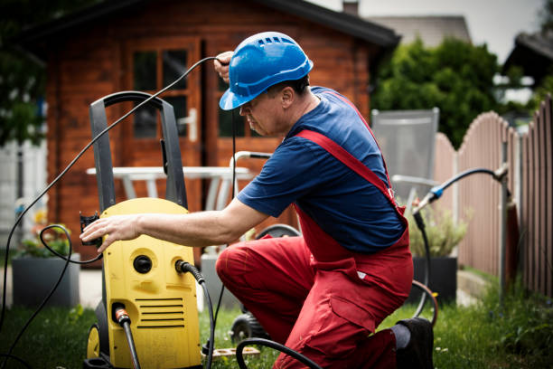
The first hurdle for high-frequency use: Can its stability withstand repeated startups?
In discussions about frequent electric pressure washer use, “ease of use” is often not the core issue; “whether it can be used continuously” is. Electric pressure washers are characterized by quick start-up and simple operation, but they also rely heavily on the stability of their internal structure.
Industry experience shows that high-frequency use does not necessarily mean long-term continuous operation but rather frequent starts, stops, and short-cycle work. This places higher demands on the motor, pump body, and sealing structure of the electric pressure washer. A one-time deep cleaning may be manageable for the equipment; however, if driveways, fences, or patios are cleaned almost daily, minor structural fatigue will gradually become apparent.
Many users have reported that what truly impacts the user experience is not a decline in cleaning power but rather changes in noise, pressure fluctuations, or slower startup response in the electric pressure washer. These signals often appear in high-frequency usage scenarios, reminding users to reassess their usage patterns.
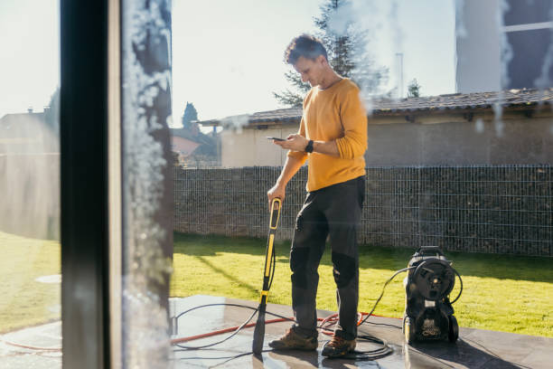
Operational fatigue is not a matter of physical strength but rather the drain from repetitive decision-making.
When it comes to high-frequency use, many people’s first reaction is, “Won’t it be very tiring?” But in actual daily outdoor cleaning, the real fatigue does not come entirely from the arms or shoulders but from the mental exhaustion caused by repetitive operations.
Each cleaning operation requires determining the pressure, spray angle, and dwell time. These seemingly simple decisions are amplified in high-frequency scenarios. If the equipment feedback is unstable, the operator needs to make continuous adjustments, which occupies their attention for extended periods, naturally increasing fatigue.
Whether an electric pressure washer is “effortless” during frequent use depends on its ability to automate these decisions. When the operating logic is intuitive enough, cleaning becomes more like a mechanical process; otherwise, it easily becomes a burden. This is also an aspect often overlooked in washer durability insights—durability includes not only the lifespan of components but also the user’s tolerance.
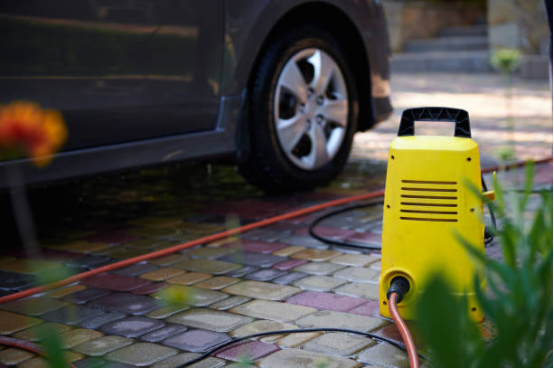
Maintenance costs are a slow-moving variable, yet they are the easiest to underestimate.
Unlike single-use applications, frequent use brings maintenance issues to the forefront. Does the filter need more frequent cleaning? Are the connections more prone to loosening? These details are often overlooked during occasional use.
In long-term use cases related to pressure washers, there’s a common thread: what truly differentiates us isn’t the failure rate, but whether maintenance is integrated into our daily routine. High-frequency use means accepting the fact that the equipment “needs care.”
In this context, an electric pressure washer is more like a tool asset than a disposable item. Maintenance costs aren’t necessarily monetary; they also include time and attention. If you’re used to regular checks and simple maintenance, these costs are manageable. However, if you expect to “use it and leave it,” frequent use can actually amplify discomfort.
Security boundaries can shift silently in high-frequency scenarios.
People tend to be vigilant when using a tool occasionally; however, when an electric pressure washer becomes a daily necessity, the risks are more easily overlooked. Safety issues arising from frequent electric pressure washer use rarely stem from extreme actions but rather from complacency that develops over time.
The effects of high-pressure water jets from an electric pressure washer on surfaces and the body may not be immediately apparent. However, repeated use, especially at incorrect angles or too close to the surface, increases the probability of accidents. This is particularly true in daily outdoor cleaning scenarios, where cleaning is often done in short bursts of free time, making it easier to become distracted.
This is why many industry recommendations emphasize that when using an electric pressure washer frequently, it’s crucial to clearly define “which areas can be processed quickly and which areas need to be deliberately slowed down.” Safety boundaries are not fixed; they subtly change with proficiency and frequency of use.
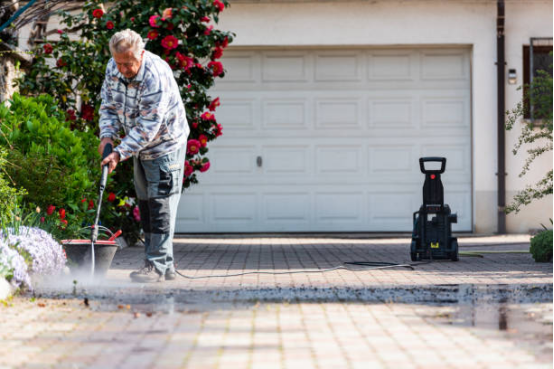
The real watershed moment for high-frequency use is whether it enters the “regular tool” state.
Whether an electric pressure washer is suitable for frequent use depends not on the device itself, but on whether the usage relationship changes. When you start reserving a fixed storage location for it, establishing a fixed usage routine, and even adjusting the cleaning rhythm according to the weather and environment, it is no longer an “occasional use device.”
In some users’ experiences, the benefits of this shift are quite obvious: cleaning is broken down into smaller tasks, keeping the environment under control and reducing the intensity of each cleaning session. However, this is contingent on whether you’re willing to accept the extent to which this tool will be integrated into your life.
Whether something is suitable or not is often not a technical issue.
Returning to the initial question: Is an electric pressure washer suitable for frequent use?
The answer is not absolute. It’s more like a mirror, reflecting your cleaning habits, time allocation, and risk awareness.
If you want cleaning to remain at the “centralized processing” stage, then high-frequency use is unnecessary; but if you already tend to integrate maintenance into your daily routine and keep the environment under management, high-frequency use will actually reduce the overall burden.
What truly needs to be judged is not just whether the equipment is durable, but whether this way of using it fits your lifestyle. When tools match your rhythm, frequent use is no longer a burden but a natural extension.